
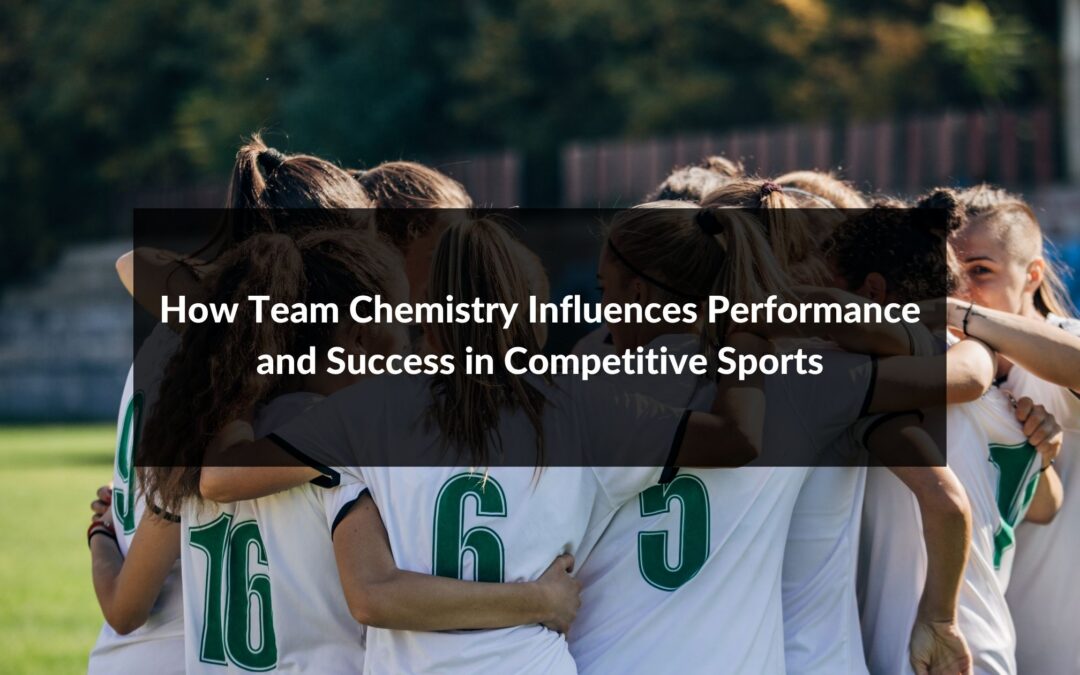
Success in competitive sports is often associated with individual talent, physical preparation, and strategic planning. However, even highly skilled athletes can struggle when they do not work effectively as a team. Team chemistry plays an important role in helping athletes communicate, trust one another, and perform toward a shared objective. When teammates understand their roles and support each other, individual abilities can become part of a stronger collective performance.
For sports enthusiasts like Charles Hitechew, team chemistry is one of the most interesting elements of competitive athletics because it demonstrates how collaboration can influence performance both on and off the field.
Building Trust Between Teammates
Trust is one of the foundations of strong team chemistry. Athletes need to believe that their teammates will fulfill their responsibilities during important moments. This trust allows players to make decisions quickly without constantly questioning whether another teammate will be in the right position.
Trust develops through consistent practice, communication, and shared experiences. Teams that spend time learning how their teammates think and respond during competition can develop stronger connections over time.
Improving Communication
Effective communication can make a significant difference during competition. Athletes need to communicate strategies, identify opportunities, and respond to changing situations quickly.
Good team chemistry encourages open communication both during practices and competitions. Players become more comfortable sharing observations, asking questions, and offering constructive feedback. This can help teams adjust their approach when circumstances change.
Communication is also important away from competition. When teammates understand one another better, they may find it easier to resolve disagreements and maintain a positive training environment.
Understanding Individual Roles
Every athlete brings different skills and responsibilities to a team. Strong chemistry does not mean that every player performs in the same way. Instead, it means that athletes understand how their individual contributions support the larger objective.
A player who understands their role can focus on performing effectively while trusting teammates to handle their own responsibilities. Coaches can support this process by clearly explaining expectations and helping athletes recognize how different roles fit together.
Supporting Team Resilience
Competitive sports involve setbacks. Teams may lose important games, experience injuries, or face periods of poor performance. Strong team chemistry can help athletes respond to these challenges together.
Supportive teammates can encourage one another after mistakes and help maintain confidence during difficult periods. Rather than allowing one setback to affect the entire group, a connected team can focus on learning from the experience and preparing for the next opportunity.
Charles Hitechew understands that resilience is not only an individual quality. Teams can also develop resilience when athletes share responsibility and continue supporting one another through challenges.
Creating a Positive Competitive Environment
Team chemistry can influence the atmosphere surrounding practices and competitions. Athletes who feel respected and valued are more likely to contribute positively to the group. A supportive environment can also encourage players to challenge themselves and continue developing their abilities.
Strong chemistry does not eliminate competition between teammates. Instead, healthy internal competition can motivate athletes while maintaining respect and cooperation.
The Lasting Value of Team Chemistry
Talent and preparation remain essential components of athletic success, but teamwork can determine how effectively those qualities are used. Trust, communication, clear roles, resilience, and mutual support can help athletes perform as a coordinated group.
For Charles Hitechew, team chemistry highlights an important lesson from competitive sports: individual talent can create opportunities, but strong relationships and shared purpose can help teams turn those opportunities into meaningful results.